
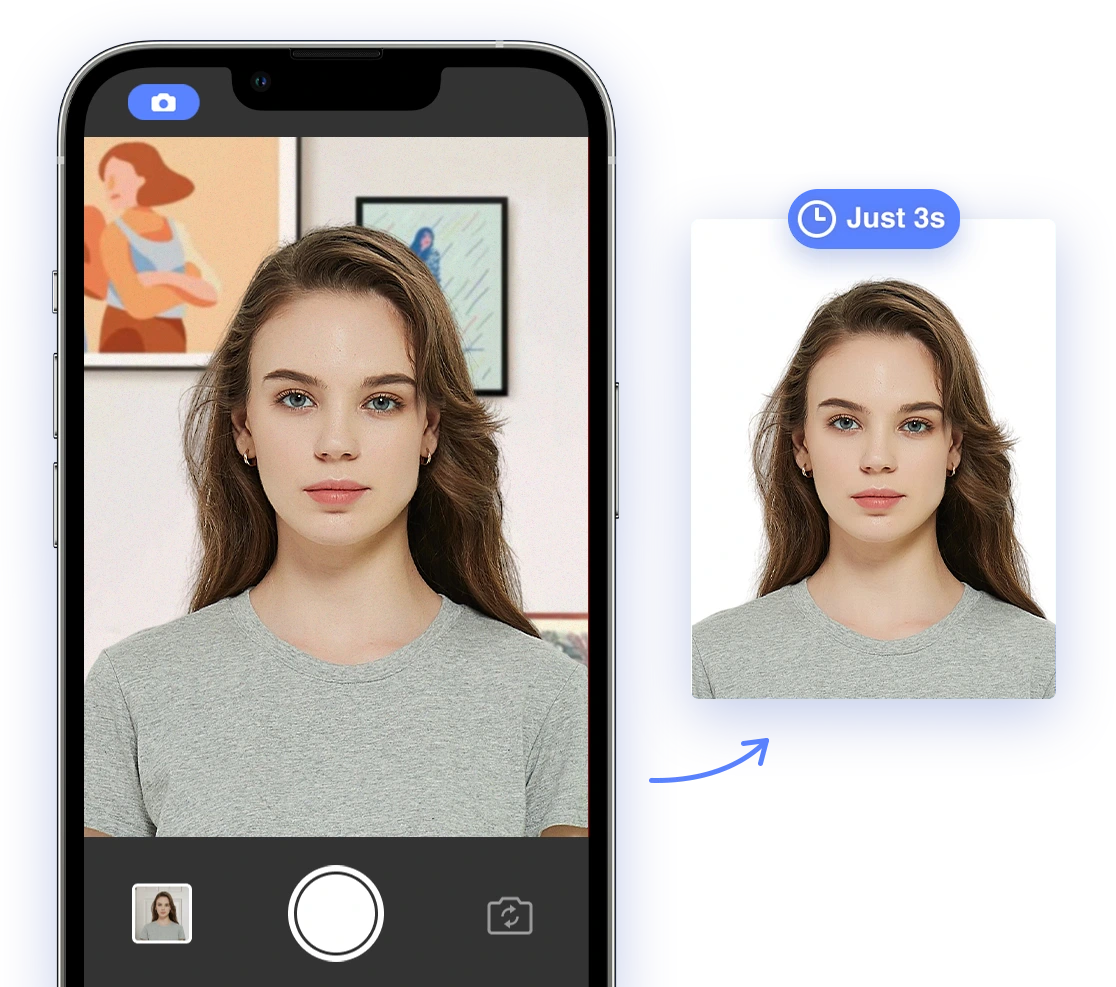
Getting your passport photo right is crucial for a smooth application process. As we approach 2026, new standards are emerging, and understanding them is key. This guide provides expert DIY tips, insights into the evolving standards, and demonstrates how AI-powered tools can ensure your photos meet all requirements, offering a stress-free path to approval.
Understanding the Evolving Standards: ISO/IEC 39794-5
The landscape of passport photos is evolving with the rise of biometric identification. While not strictly a 'new standard' for *photos themselves*, the ISO/IEC 39794-5 is an important framework for *facial image data* that impacts how biometric information is processed. Understanding this framework will help you ensure your passport application goes smoothly. The ISO/IEC 39794-5 standard defines extensible biometric data interchange formats specifically for face image data. It facilitates faster and more reliable verification processes. In addition to a basic facial image, it includes metadata such as facial landmarks, precise eye and hair color, and other biometric features. Key aspects of this framework include:- Improved compatibility: Designed to standardize biometric data, facilitating faster and more reliable verification processes.
- Enhanced security features: Supports enhanced security features and streamlined visa processing capabilities.
- Rich metadata: Carries information such as facial landmarks, precise eye and hair color, and other biometric features, improving facial recognition accuracy.
DIY Photography at Home: Expert Tips
Taking your passport photo at home can save time and money. Here are expert tips for capturing compliant photos using smartphones or digital cameras:- Photo Size: The standard passport photo size is 2 x 2 inches (51 x 51 mm).
- Digital Image Size: Digital images should be at least 600 x 600 pixels.
- Color: Photos must be in color with natural skin tones.
- Resolution: Aim for 300 pixels per inch for printed photos.
- Background: Use a plain white or off-white background, free of patterns and shadows. See passport photo background rules for more information.
- Pose: Face the camera directly with a neutral expression, eyes open, and mouth closed. Why you Can't Smile in your Passport Photo.
- Clothing: Wear your normal, everyday clothing. Avoid uniforms or camouflage attire. Review our passport photo dress code guide for more information.
- Lighting: Ensure uniform lighting with no shadows, glare, or flash reflections. Natural light is best. See Why my passport photo was rejected: Exposure for more help.
- Distance: Maintain a distance of at least 4 feet to avoid distortion. Do not take a selfie.
- Tripod: Use a tripod to stabilize the camera for sharpness.
Specific Guidelines
Adhering to specific photo guidelines is paramount to avoid rejection. You can also see a more general size of passport photo guide on our blog.- Dimensions and Resolution: Your photo must be 2x2 inches (51x51 mm) with a resolution of 300 pixels per inch.
- Color and Background: The photo must be in color with a plain white or off-white background.
- Head Size and Position: Head size should measure 1 to 1 3/8 inches (25-35 mm) from the top of the hair to the bottom of the chin. Face the camera directly.
- Expression: Maintain a neutral expression with eyes open and mouth closed.
- Jewelry, Piercings, and Head Coverings: Keep jewelry minimal, and avoid head coverings unless worn daily for religious or medical reasons. Facial piercings should not obstruct your face.
AI-Powered Compliance: A Seamless Path to Approval
AI is revolutionizing passport photography by offering real-time feedback and automated adjustments. AI-powered tools ensure compliance with official requirements, saving time and reducing rejection risk. Here's how AI simplifies the process:- Upload & AI Processing: Simply upload your photo, and the AI detects your face, removes the background, crops the image to the correct dimensions, and makes necessary adjustments.
- Real-time Feedback: Many AI-powered tools include a compliance checker that provides instant feedback on aspects like background uniformity, head size, and facial expression.
- Download & Print: Compliant photos can be easily downloaded for printing or digital submission. AI ensures a seamless path to approval.
Troubleshooting Common Mistakes
Even with careful planning, passport photos can be rejected due to common mistakes. Here's how to troubleshoot them:- Lighting Issues: Ensure uniform lighting to avoid harsh shadows and overexposure. Diffuse natural light is often best. See the Youtube video Mastering the Passport Photo: Your Guide to Perfection
- Background Problems: Ensure your background is completely plain white or off-white. Remove any visible objects or patterns.
- Attire Mistakes: Avoid wearing white, as this can blend with the background. Also, avoid busy patterns or distracting logos.
- Facial Expression: Practice maintaining a neutral expression with your eyes open and your mouth closed. Avoid squinting or frowning.
- Wardrobe Check: Before taking the photo, check your outfit against the white background to see how it looks on camera.
Looking Your Best: Pro Tips
While compliance is key, you can still take steps to ensure you look your best in your passport photo:- Subtle Smile (If Allowed): While a neutral expression is typically required, a slight, natural smile (with mouth closed) is sometimes acceptable and can make you look more approachable. *Always check the specific guidelines of the issuing authority.*
- Good Posture: Taking a deep breath and gently pushing your head forward slightly can improve your posture and define your jawline.
- Strategic Clothing Choices: Opt for fitted tops with simple necklines in dark, solid colors. These tend to stand out well against the light background.
- Minimal Makeup & Jewelry: Keep makeup looking natural and avoid large, distracting accessories. The goal is to reflect your typical, everyday appearance.
Unique Situations
It's important to be aware of specific guidelines that exist for infants, individuals with medical devices, and those with religious head coverings.- Infant Passport Photos:
- A plain, light-colored sheet can be used as a background if the child is lying down. Take the photo from directly above to ensure even lighting and capture the entire face.
- *Note:* While a neutral expression and open eyes are preferred, they are not strictly required for infants.
- Medical Devices:
- Eyeglasses are generally not allowed in US passport photos due to potential glare and obstruction of the face. However, exceptions may be made for medical reasons with a doctor's statement.
- Hearing aids or similar devices may be worn in the photo, provided they are typically worn and do not obscure any part of the face.
- Religious Head Coverings:
- Head coverings are permitted for genuine religious reasons, but the full face must be visible from the forehead to the bottom of the chin, and the head covering should not cast shadows.