
Navigating Photo ID Requirements in 2026: A Comprehensive Guide for All Documents
Applying for official documents like passports, visas, or even a driver's license often involves navigating a maze of photo ID requirements. These rules can seem arbitrary and confusing, but understanding them is crucial to avoid costly delays and ensure your application is approved. This comprehensive guide clarifies photo ID specifications for various documents in 2026, providing actionable advice and highlighting how AI-powered tools can simplify the process.
Understanding Core Requirements
At the heart of every photo ID application are fundamental requirements that must be met. These include:
- Photo Dimensions:** Most photo IDs require specific dimensions, often 2x2 inches (51x51 mm). However, this can vary. Always verify the exact size for your specific document.
- Background Specifications:** A plain white or off-white background is generally required. There should be no patterns, textures, or shadows.
- Lighting:** The photo must be well-lit with even lighting across your face. Avoid harsh shadows or glare.
- Posing:** Face the camera directly with a neutral expression. Smiling may or may not be acceptable, depending on the specific requirements.
Navigating Specific Photo ID Types
Different documents often have different photo requirements. Here's a breakdown:
Domestic Travel within the U.S.
As of 2026, REAL ID compliance is no longer optional. If your driver's license or state-issued ID does not meet REAL ID standards, you cannot use it alone to board a domestic flight.
- REAL ID Compliance:** Look for a star or special marking on your license to verify if it is REAL ID compliant; otherwise, check with your state's Department of Motor Vehicles (DMV). For more information, see this YouTube video explaining REAL ID requirements.
- Acceptable forms of ID:** If you do not have a REAL ID, you can use other acceptable forms of identification. These include:
- U.S. passport or passport card
- State-issued Enhanced Driver's License (EDL) or Enhanced ID (EID)
- DHS trusted traveler cards (Global Entry, NEXUS, SENTRI, FAST)
- U.S. Department of Defense ID, including IDs issued to dependents
- Permanent resident card
- Border crossing card
- An acceptable photo ID issued by a federally recognized Tribal Nation/Indian Tribe, including Enhanced Tribal Cards (ETCs)
- HSPD-12 PIV card
- Foreign government-issued passport
- Canadian provincial driver's license or Indian and Northern Affairs Canada card
- Transportation Worker Identification Credential (TWIC)
- U.S. Citizenship and Immigration Services Employment Authorization Card (I-766)
- U.S. Merchant Mariner Credential
- Veteran Health Identification Card (VHIC)
- TSA ConfirmID:** Beginning February 1, 2026, if you do not have a REAL ID or another acceptable form of ID, you can use TSA's ConfirmID program to verify your identity for a fee. This fee is valid for a 10-day travel period. The TSA recommends paying the fee online before traveling.
- Flying without ID:** It is still possible to fly without an ID, but it may be difficult. You will be subject to additional questioning, and boarding is not guaranteed.
International Travel
- Passport is Mandatory:** A valid passport is mandatory for all international travel. It must be valid for the entire trip and often for at least six months beyond your return date. Ensure your passport has sufficient blank pages.
- Passport Cards:** Passport cards are not valid for international air travel.
- Name Matching:** The name on your ticket must exactly match the name on your ID.
- New Travel Authorizations:**
- ETIAS:** Starting in late 2026, non-EU nationals will be required to apply for an ETIAS travel authorization before boarding a flight to the European Union. This authorization will be valid for three years or until your passport expires.
- UK ETA:** Starting February 25, 2026, most visitors to the UK, including U.S. nationals who don't need a visa for short-term stays, will need an Electronic Travel Authorization (ETA).
Passport Photos
US and international passports have strict photo requirements. In addition to the core requirements, keep these in mind:
- Dress Code:** While specific clothing isn't mandated, avoid wearing uniforms or clothing that obscures your face or neckline. See our detailed guide on what to wear for a US passport photo.
- Hairstyle:** Your hair should not obstruct your face, and your hairline must be visible. Learn more about hair requirements for passport photos.
- Accessories:** Hats and head coverings are generally prohibited unless worn daily for religious reasons. Eyeglasses are also typically not allowed. For more information, watch this video explaining acceptable documents.
Visa Photos
Visa photo requirements often mirror passport photo specifications. However, some countries may have unique requirements.
- Country-Specific Guidelines:** Always check the specific photo guidelines for the country you're applying for a visa to. These guidelines may differ from US passport photo requirements. You can often find these guidelines on the embassy or consulate website of the country you are visiting. The U.S. Department of State also provides helpful information: https://travel.state.gov/content/travel/en/passports.html
- Digital vs. Physical Photos:** Some visa applications require digital photo uploads, while others require physical photos. Ensure you know the requirements for your application.
Driver's Licenses
Driver's license photo requirements vary by state. Learn more about requirements for obtaining a deaf driver's license.
- REAL ID Compliance:** As mentioned earlier, REAL ID compliance is essential for using your driver's license for domestic air travel. Watch this explanation of REAL ID.
- State-Specific Regulations:** Check your state's DMV website for specific photo requirements, as these can vary.
Green Cards and USCIS Applications
The United States Citizenship and Immigration Services (USCIS) has strict photo requirements for green card applications and other immigration-related documents.
- USCIS Guidelines:** USCIS will no longer accept self-submitted photos; all photos must be taken by USCIS or other authorized government entities. Photos used to create secure immigration documents can't be more than three years old. For Forms I-90, I-485, N-400, and N-600, USCIS will always require new biometrics, including a new photo. You can also visit the official USCIS website: https://www.uscis.gov/.
- Passport-Style Photos:** Green card photos generally adhere to passport-style photo requirements (2x2 inches, white background, etc.). See our comparison of US and India passport photo requirements.
Addressing Common Challenges
Several challenges can arise when taking photo IDs:
Medical Conditions and Disabilities
Individuals with medical conditions or disabilities may require accommodations to meet photo ID requirements.
- Head Coverings:** Head coverings worn for religious or medical reasons are generally permitted, provided they don't obscure the face.
- Medical Devices:** If you wear medical devices, such as hearing aids, try to position them so they are visible.
Infants and Children
Taking compliant photos of infants and young children can be particularly challenging.
- Head Support:** Ensure the child's head is supported and their face is clearly visible.
- Eye Positioning:** The child's eyes should be open and facing the camera.
Appearance Changes
Significant changes in appearance may necessitate updating your photo ID.
- Substantial Changes:** If you've undergone major facial surgery or have significantly altered your hairstyle or weight, it's wise to update your photo ID.
Other Important Considerations
- Expired IDs:** Expired IDs are generally not accepted. Check expiration dates well in advance of travel.
- Digital IDs:** Digital IDs are not universally accepted for travel in 2026, so always carry physical identification. Learn more about Digital IDs here.
Leveraging AI-Powered Tools for Compliance
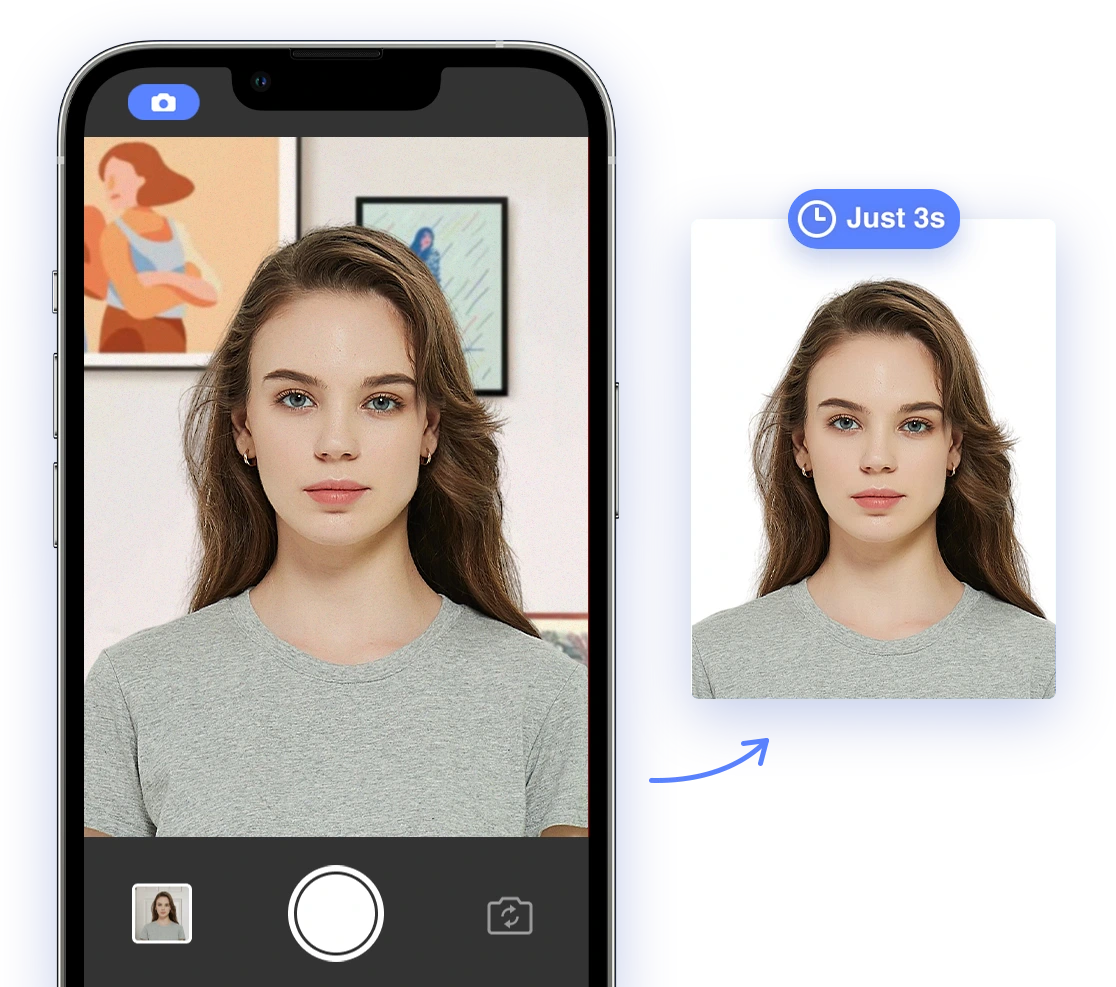
AI-powered tools like AI Passport Photo can simplify the photo ID process.
- Automated Compliance Checks:** AI algorithms can analyze your photo in real-time, providing feedback on photo quality, dimensions, background, and facial positioning.
- Reduced Rejection Risk:** By using AI tools, you can minimize the risk of rejection due to non-compliance with photo requirements.
DIY Tips and Expert Advice
Even without AI-powered tools, you can take great passport photos at home:
- Lighting is Key:** Use natural, diffused light for even illumination.
- Plain Background:** Use a white sheet or wall as a background.
- Avoid Shadows:** Ensure there are no shadows on your face or the background.
Staying Up-to-Date with Evolving Requirements
Photo ID requirements can change, so staying informed is essential.
- Official Resources:** Regularly check the official websites of government agencies or issuing institutions for the latest updates and guidelines.
Conclusion
Navigating photo ID requirements can be complex, but with a clear understanding of the rules and the help of AI-powered tools, you can ensure your applications are smooth and stress-free. Always double-check specific requirements for your document and leverage available resources to create compliant photo IDs.
Start your passport photo application today!