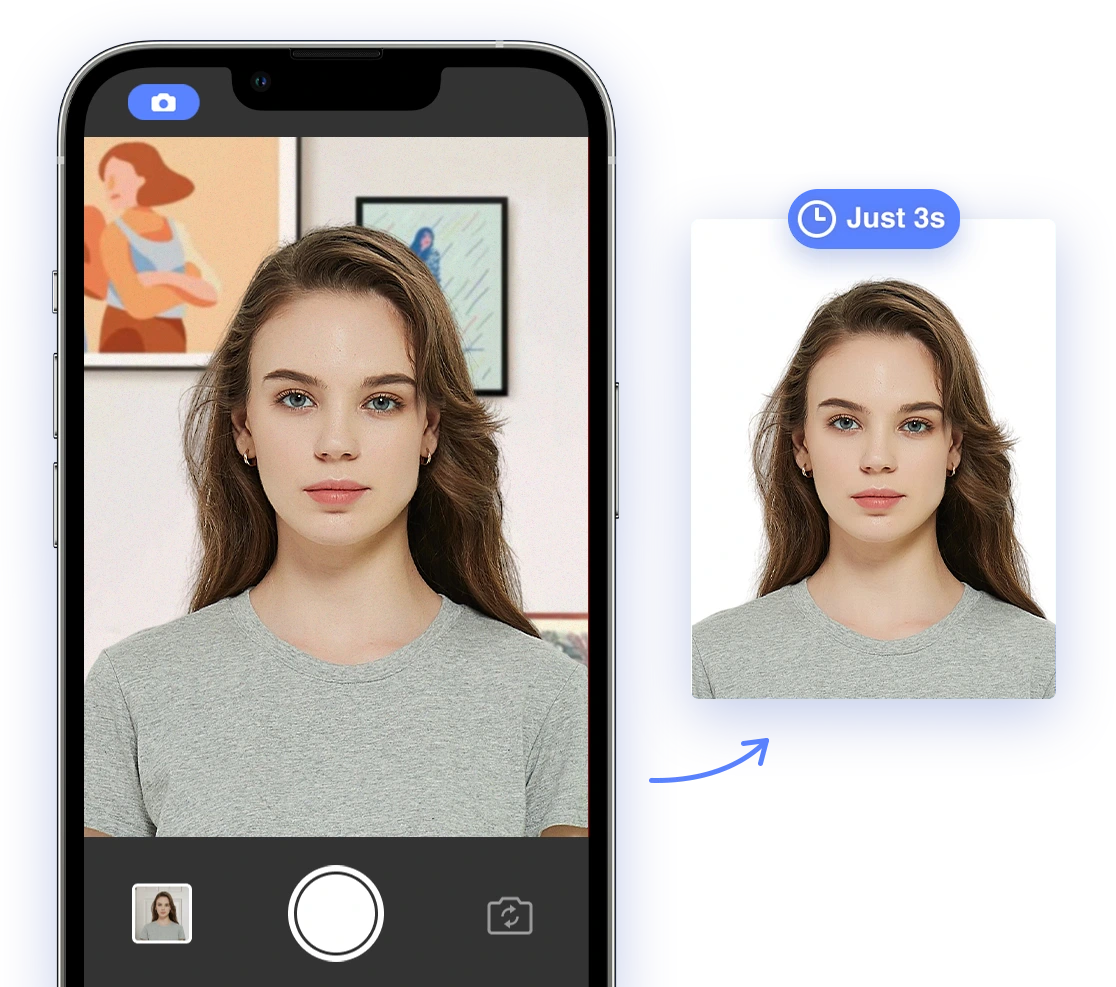
Introduction to Digital Photo Analyzers
Digital photo analyzers are software tools designed to assess whether a digital photograph meets specific requirements for official identification documents. These tools use sophisticated algorithms to evaluate various aspects of a photo, such as size, resolution, background, lighting, and facial features, ensuring they align with the standards set by governing bodies and institutions. The primary purpose of these analyzers is to increase the likelihood of photo acceptance, reducing the chances of application delays or rejections.
Meeting the diverse and often evolving photo ID requirements across different countries and institutions can be daunting. Each entity may have unique specifications regarding size, background color, facial expression, and more. Keeping track of these variations can be overwhelming, especially for individuals applying for documents from multiple sources. Digital photo analyzers streamline this process by providing a centralized tool to validate photos against specific criteria. For example, understanding the
passport photo dress code can significantly improve your chances of approval.
The increasing reliance on digital submissions for official documents has further emphasized the need for accurate photo validation. As more applications move online, the ability to assess and correct photos digitally becomes crucial. Digital photo analyzers provide this capability, ensuring that submitted photos meet the necessary technical and regulatory standards, ultimately facilitating a smoother and more efficient application process. But just how do these digital assistants work?
How Digital Photo Analyzers Work
Digital photo analyzers rely on a combination of advanced technologies to assess photo compliance:
* **AI, Machine Learning, and Computer Vision:** These technologies form the backbone of digital photo analyzers. AI algorithms are trained on vast datasets of compliant and non-compliant photos, enabling them to recognize patterns and features associated with acceptance and rejection. Machine learning models continuously improve their accuracy through exposure to new data. Computer vision algorithms enable the analyzers to "see" and interpret the visual elements within a photo.
* **Key Features and Functionalities:** Digital photo analyzers offer a range of features designed to automate and simplify the photo validation process. These include:
* **Automated Cropping:** Automatically resizes and crops the photo to meet the required dimensions.
* **Background Removal:** Detects and removes non-compliant backgrounds, replacing them with the appropriate color. Many tools ensure you meet
US passport photo background standards automatically.
* **Lighting Correction:** Adjusts brightness and contrast to ensure proper illumination of the subject's face.
* **Facial Feature Detection:** Identifies key facial landmarks to ensure proper positioning and expression.
* **Biometric Data and ICAO Standards:** Biometric data, such as facial landmarks and measurements, plays a crucial role in photo analysis. The
International Civil Aviation Organization (ICAO) sets international standards for biometric passports, which many digital photo analyzers use as a benchmark for compliance. By adhering to these standards, analyzers can ensure that photos meet the requirements for various travel documents.
Benefits of Using Digital Photo Analyzers
Employing digital photo analyzers offers numerous advantages for individuals and organizations:
* **Reduce Photo Rejection Rates:** By identifying and correcting non-compliant elements before submission, digital photo analyzers significantly reduce the chances of photo rejection. This can save applicants time, money, and frustration associated with resubmissions. Knowing
top reasons for passport photo rejection is key to avoiding this.
* **Save Time and Money:** Avoiding costly resubmissions and application delays translates to significant savings in both time and money. Digital photo analyzers streamline the process, ensuring that photos meet requirements the first time around.
* **Simplify the Photo Creation Process:** User-friendly interfaces and automated assistance make the photo creation process more accessible to individuals with varying levels of technical expertise. Digital photo analyzers guide users through the process, providing real-time feedback and suggestions for improvement. You can even
take a passport photo at home using these tools.
* **Ensure Consistency and Accuracy:** Maintaining consistency and accuracy across different types of ID photos is crucial for official documentation. Digital photo analyzers ensure that all photos adhere to the same standards, regardless of the application or institution. Consider these helpful
passport photo tips for men and adjust to meet requirements.
Global Photo ID Requirements and Analyzer Capabilities
Digital photo analyzers are equipped to handle a wide range of photo ID requirements for various documents worldwide. Here's a glimpse of how these analyzers address specific requirements:
* **Passports:** Passport photos typically require specific dimensions (e.g., 2x2 inches in the US), a white or off-white background, and a neutral facial expression. Analyzers can automatically crop the photo to the correct size, remove non-compliant backgrounds, and detect if the applicant is smiling excessively. You'll need to know the
passport photo size in the U.S.
* **Visas:** Visa photo requirements often vary depending on the destination country. Analyzers can be configured with country-specific settings, ensuring that photos meet the unique criteria for each visa application. For example, some countries may require a specific background color or allow for religious head coverings.
* **Driver's Licenses:** Driver's license photo requirements may vary by state or region. Analyzers can help ensure that photos meet the required dimensions, lighting conditions, and pose guidelines for a particular jurisdiction.
Digital photo analyzers are designed to automate these specific requirements, though some may still require manual review:
* **Automated Compliance:** These tools will automatically adjust an image to meet the basic standards
* **Manual Review:** Certain unique instances may require a second look to ensure compliance, such as religious head coverings or non-standard medical devices.
DIY Tips for Taking Compliant Photos
While digital photo analyzers offer automated assistance, following these DIY tips can further enhance the quality and compliance of your photos:
Setting up the Ideal Photo Environment
* **Lighting:** Use natural, even lighting to illuminate your face without harsh shadows or glares. Avoid direct sunlight, which can cause overexposure.
* **Background:** Use a plain white or off-white background free from patterns or distractions. A simple white wall or sheet works well.
* **Camera Positioning:** Position the camera at eye level and maintain a distance of approximately 3-4 feet to capture your entire face without distortion.
Posing, Facial Expressions, and Attire
* **Posing:** Face the camera directly with your head straight and shoulders relaxed.
* **Facial Expressions:** Maintain a neutral expression with your mouth closed and eyes open and looking at the camera. Avoid smiling, frowning, or squinting. Wondering if it's
okay to smile in a passport photo? Generally, it is not.
* **Attire:** Wear everyday clothing that is comfortable and does not obscure your face or neckline. Avoid wearing uniforms or clothing with excessive patterns or logos.
The Importance of Natural Lighting
Natural lighting is key to capturing a well-lit and compliant photo. Aim for soft, diffused light that evenly illuminates your face without creating harsh shadows or reflections. Avoid using flash, which can cause red-eye or distort facial features. This will increase the quality of the image before analysis.
Selecting the Right Digital Photo Analyzer
Choosing the right digital photo analyzer depends on your specific needs and preferences. Consider the following factors when making your selection:
* **Accuracy:** Opt for an analyzer that has a proven track record of accurately assessing photo compliance. Look for tools that are regularly updated with the latest requirements and standards.
* **Ease of Use:** Choose an analyzer with a user-friendly interface that is easy to navigate and understand. The tool should provide clear instructions and feedback throughout the photo creation process.
* **Supported Document Types:** Ensure that the analyzer supports the types of ID photos you need to create, such as passports, visas, driver's licenses, and more. Look for tools that offer customizable settings for different document types.
* **Pricing:** Compare pricing plans and features to find an analyzer that fits your budget. Some tools offer free trials or limited versions, while others require a subscription or one-time purchase.
Several popular digital photo analyzer tools are available on the market, each with its own strengths and weaknesses.
AI Passport Photo excels due to its ease of use, accuracy, and comprehensive set of features. With a stellar 4.6 rating on
Trustpilot, this app allows you to easily capture digital photos with your smartphone. What should you do if you run into a problem?
Troubleshooting Common Issues
Even with the best tools and techniques, you may encounter issues during photo analysis. Here are some common problems and their solutions:
* **Blurry Images:** Ensure that your camera lens is clean and that you are holding the camera steady when taking the photo. Use a tripod or prop your camera against a stable surface to minimize camera shake.
* **Incorrect Cropping:** Double-check that the photo analyzer is using the correct dimensions for your document type. Adjust the cropping settings manually if necessary to ensure that your face is properly positioned within the frame.
* **Background Inconsistencies:** Use a plain white or off-white background to avoid confusion. If the analyzer detects a non-compliant background, try using a different background or adjusting the lighting to eliminate shadows or reflections.
The Future of Digital Photo Analyzers
The future of digital photo analyzers is poised for continued innovation and advancement:
Emerging Trends and Advancements
* **Enhanced Biometric Recognition:** As biometric technology improves, digital photo analyzers will become even more adept at identifying and validating facial features, ensuring compliance with increasingly stringent security standards.
* **Integration with Government Databases:** Integration with government databases could enable real-time verification of photo compliance, streamlining the application process and reducing the potential for fraud.
AI's Potential to Further Streamline and Automate
AI is expected to play an increasingly significant role in automating the photo ID creation process. AI algorithms could provide personalized feedback and suggestions to users, further simplifying the process and increasing the likelihood of photo acceptance.
Call to Action
Ready to create compliant ID photos quickly and easily? Try
AI Passport Photo today! Download our app and take advantage of our AI-powered photo analysis tools to ensure your photos meet all official requirements. Share your experiences with digital photo analyzers in the comments below and help others navigate the world of photo ID compliance!
 AiPassportPhoto