
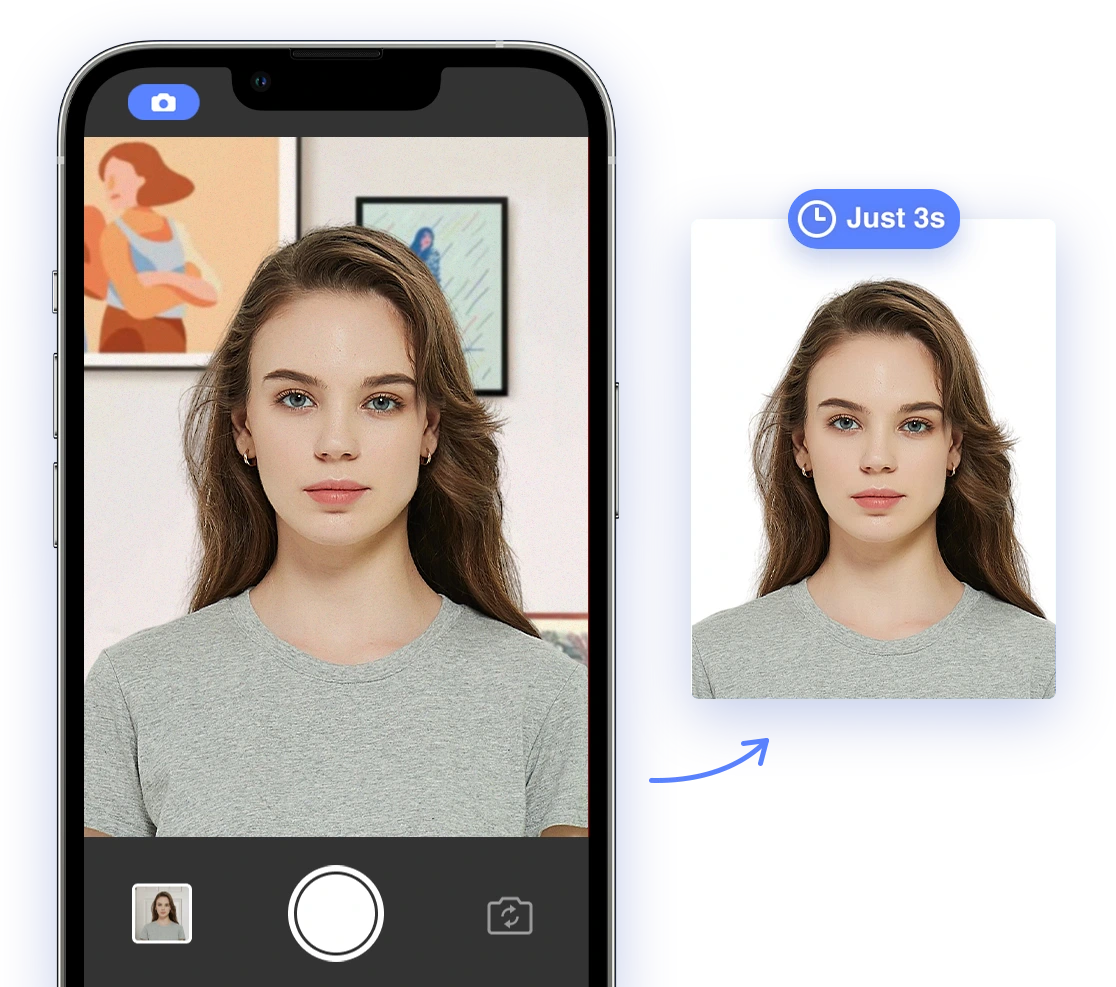
Applying for a passport or visa can often be a stressful experience, and nothing adds to the frustration more than a rejected photo. Understanding the specific photo requirements set by various government agencies can be challenging, leading to unnecessary delays and expenses. This comprehensive guide aims to be your ultimate resource for understanding and avoiding passport photo rejections, covering both US and international standards. This ensures a smooth application process for 2024-2025.
Understanding US Passport Photo Requirements
The U.S. Department of State has strict guidelines for passport photos to ensure they meet biometric standards for identification purposes. Ignoring these standards is a common reason for rejection. Let's delve into the specifics to help you get it right.
Key Requirements for US Passport Photos
Here's a breakdown of the essential criteria your US passport photo must meet:
- Size: The photo must be 2x2 inches (51x51 mm).
- Color: Must be in color, not black and white. Color photos are required to accurately capture your features.
- Background: A plain white or off-white background is required. This ensures clear contrast with your face.
- Pose: You must face the camera directly with a neutral expression. This means no smiling, squinting, or tilting your head.
- Attire: Normal day-to-day attire is expected. Avoid uniforms or clothing that resembles a uniform, as these can cause confusion.
- Lighting: The photo must be evenly lit, with no shadows or glare. Proper lighting is crucial for accurate facial recognition.
Common Mistakes to Avoid
To ensure your photo is accepted, be mindful of these frequent errors:
- Incorrect photo size: Double-check the dimensions to ensure they are exactly 2x2 inches. Use an AI-powered photo compliance tool to verify.
- Using a busy or colored background: Opt for a plain white or off-white background only.
- Smiling or having an unnatural expression: Maintain a neutral, relaxed facial expression. If you're unsure, see "Is it okay to smile in a passport photo?"
- Wearing glasses: Remove glasses unless medically necessary, and even then, provide a doctor's note. Check "Passport Photo with Glasses: Requirements, Tips & AI Solutions [2024-2025]" for more information.
- Wearing hats or head coverings: Avoid hats or head coverings unless worn daily for religious purposes. A signed statement may be required. Also see our guide on "Hats in Passport Photos: US Rules, Religious & Medical Exemptions, AI Solutions [2024-2025]"
- Poor lighting or shadows on the face: Ensure even lighting to avoid obscuring your features.
Global Passport Photo Requirements: Key Differences
While many countries follow similar guidelines to the US, there can be key differences in passport photo requirements. Knowing these differences can help avoid rejection when applying for international travel documents. Let's explore what makes global requirements unique.
Size and Dimensions
Many countries use different photo sizes. For instance, some European countries require a 35x45 mm photo. Always check the specific requirements for the country you are applying to, as using the wrong size is a common mistake. See "Global Photo ID Guide [2024-2025]: Stress-Free Passport, Visa & National ID Applications" for stress-free applications.
Background Color
While the US requires a white background, some countries may accept light blue or gray backgrounds. Verify the acceptable background colors for your specific application to ensure compliance.
Expression and Pose
Most countries require a neutral expression, but some may have stricter rules about smiling or showing teeth. Check the specific guidelines to ensure compliance and avoid issues.
Head Size
The measurement of the head from the bottom of your chin to the top of your head can vary by country. Ensure that your head size meets the required specifications for the country you are applying to, often expressed as a range or percentage of the photo's height.
Visa Photo Requirements: A Detailed Guide
Visa photos often have specific requirements that differ from passport photos. Adhering to these details is crucial for a successful visa application. Here’s a breakdown of what you need to know.
Size and Format
Visa photos generally follow the same size requirements as passport photos, but some countries may have unique dimensions. Always verify the necessary size and format, including the file size and resolution for digital submissions.
Background and Lighting
The background and lighting requirements for visa photos are similar to passport photos, but it’s essential to ensure a plain, evenly lit background without shadows. Check if the background needs to be a specific shade of white or another accepted color.
Specific Country Requirements
Different countries have varying visa photo requirements. For example, the Schengen visa requires a specific head size and a white background. Always consult the embassy or consulate website for the most accurate information, as requirements can change.
Common Reasons for Passport Photo Rejection
Understanding the common reasons for rejection can help you avoid mistakes and ensure your photo meets all requirements. Awareness is the first step towards compliance.
Improper Photo Size
Submitting a photo that is not the correct size is a frequent reason for rejection. Use a ruler or an online tool to verify the dimensions. AI Passport Photo can automatically resize your image to the exact specifications.
Incorrect Background Color
Using a background color other than what is specified can lead to rejection. Make sure to use a plain white or off-white background, unless otherwise stated by the specific country's guidelines. A digital photo analyzer can help you verify the background color.
Poor Lighting and Shadows
Uneven lighting or shadows on the face can obscure your features and result in rejection. Ensure that the lighting is bright and even. Consider using natural light or a well-lit room.
Non-Compliant Attire
Wearing clothing that violates the dress code, such as uniforms or hats, can cause your photo to be rejected. Dress in everyday attire, avoiding anything that covers your face or head unless for religious or medical reasons with proper documentation.
Unnatural Expression
Having a forced or unnatural expression can make it difficult to identify you, leading to rejection. Maintain a neutral and relaxed facial expression with your mouth closed.
DIY Passport Photo Tips: Taking Photos at Home
Taking passport photos at home can be convenient and cost-effective if done correctly. Follow these tips to ensure your photos meet all requirements. With the right preparation, you can achieve professional-quality results.
Setting Up Your Photo Area
Choose a location with a plain white or off-white background. A blank wall or a white sheet can work well. Ensure there is ample natural light, avoiding direct sunlight, which can cause harsh shadows. Position yourself near a window for best results.
Lighting and Composition
Use soft, natural light to illuminate your face evenly. Avoid using flash, as it can create shadows and red-eye. Position yourself directly in front of the camera, ensuring your entire face is visible. Your eyes should be open and looking straight ahead.
Using a Smartphone or Digital Camera
Use a high-resolution smartphone or digital camera to capture the photo. Ensure the camera is stable and at eye level. Using a tripod can help. Take multiple shots to choose the best one.
Checking for Compliance
Use an online tool or app, like AI Passport Photo, to check the photo for compliance before submitting it. Verify that the size, background, lighting, and other requirements are met. These tools can save you time and reduce the risk of rejection. Take advantage of available resources to double-check your work.
AI-Powered Solutions for Passport Photos
AI-powered passport photo tools can simplify the process and ensure your photos meet all requirements automatically. These tools use artificial intelligence to check for compliance and make necessary adjustments. Embrace technology for a smoother experience.
Introduction to AI Passport Photo Tools
AI passport photo tools, such as AI Passport Photo, use advanced algorithms to analyze your photo and ensure it meets all official guidelines. These tools are designed to make the process easier and more reliable.
How AI Tools Ensure Compliance
These tools automatically check the photo size, background color, lighting, and facial expression. They can also adjust the photo to meet specific requirements, such as cropping and resizing. The AI analyzes the image and provides instant feedback.
Benefits of Using AI for Passport Photos
- Saves time and effort: AI tools automate the process, saving you valuable time.
- Reduces the risk of rejection: Automated checks minimize errors and ensure compliance.
- Provides instant feedback and adjustments: Real-time feedback helps you correct any issues immediately.
- Offers a convenient and cost-effective solution: AI tools are often more affordable than professional photo services.
Dress Code Guidelines for Passport Photos
The dress code for passport photos is relatively simple, but it’s essential to follow the guidelines to avoid rejection. Adhering to these rules ensures your photo is compliant and professional.
Acceptable Clothing
Wear normal, everyday attire. Choose clothing that you would typically wear on any given day. Dress comfortably but professionally.
Unacceptable Clothing
Avoid wearing clothing that obscures your face or head, such as hats, scarves, or large collars. Do not wear clothing with offensive or inappropriate graphics. Keep it simple and avoid distractions. See "Passport Photo Fashion Faux Pas: What NOT to Wear for US Approval [2024-2025]" for more.
Religious and Medical Exceptions
If you wear a head covering for religious or medical reasons, you may do so, but it must not obscure your face. Provide a signed statement explaining the reason for the head covering. Ensure the covering is plain and does not cast shadows.
Jewelry and Accessories in Passport Photos
The rules regarding jewelry and accessories in passport photos can be confusing. Follow these guidelines to ensure compliance. Keeping it simple is generally the best approach. More about jewelry see "Passport Photo with Jewelry: What's Allowed & How to Avoid Rejection [2024-2025]"
General Guidelines
Minimal jewelry is generally acceptable as long as it does not obscure your face or create reflections. Avoid wearing large or distracting jewelry that could draw attention away from your face.
Acceptable Jewelry
Small earrings, necklaces, and rings are usually acceptable. Ensure that they do not cover any part of your face or create shadows. Simple and understated pieces are best.
Unacceptable Jewelry
Avoid wearing large or reflective jewelry that could obscure your features or create glare. Remove any accessories that are not essential, such as sunglasses or decorative items.
Makeup and Hairstyles for Passport Photos
Makeup and hairstyles should be natural and not alter your appearance significantly. The goal is to ensure that you are easily identifiable. Authenticity is key.
Makeup Tips
Use natural-looking makeup that enhances your features without changing your appearance. Avoid heavy makeup, excessive glitter, or dramatic contouring. A light, natural look is always best.
Hairstyle Guidelines
Your hairstyle should not obscure your face. Keep hair away from your eyes and ensure that your hairline is visible. Avoid overly elaborate or distracting hairstyles. Simple and neat hairstyles are recommended. See "US Passport Photo: The Ultimate Hairstyle Guide [2024-2025] - From Bangs to Braids" for inspiration.
Avoiding Distractions
Ensure that your makeup and hairstyle do not create shadows or reflections that could obscure your features. Keep everything simple and natural to avoid any potential issues.
Photo Requirements for Children and Infants
Taking passport photos of children and infants can be challenging due to their inability to follow instructions. Here are some tips to make the process easier. Patience and preparation are essential.
Tips for Infants
Lay the baby on a plain white sheet or blanket. Ensure there are no shadows on the baby's face. Take the photo from directly above. It's often helpful to have another person assist in keeping the baby still and focused.
Tips for Children
Have the child sit or stand in front of a plain white background. Use toys or other distractions to get the child to look at the camera. Ensure the child has a neutral expression. Be prepared to take multiple shots.
Ensuring Compliance
Use an AI passport photo tool to check the photo for compliance. Adjust the photo as needed to meet all requirements. These tools can help ensure that the photo meets the standards even for young children. See "Ultimate Guide to US Passport Photo Requirements for Babies and Infants (2024-2025)" for complete info.
Medical Conditions and Devices in Passport Photos
If you have a medical condition or device that affects your appearance, you may need to take special considerations when taking your passport photo. Transparency is important.
Head Coverings
If you wear a head covering for medical reasons, you may do so, but it must not obscure your face. Provide a signed statement explaining the reason for the head covering. Ensure the covering is plain and does not cast shadows.
Eyeglasses
Generally, eyeglasses are not allowed in passport photos. If you must wear them for medical reasons, provide a signed statement from your doctor. Ensure the glasses do not obscure your eyes or create glare.
Medical Devices
If you use a medical device, such as a hearing aid or prosthetic limb, it is generally acceptable in the photo as long as it does not obscure your face. Make sure the device is clearly visible and does not distort your facial features.
Where to Get Passport Photos: Options and Considerations
There are several options for obtaining passport photos, each with its own advantages and disadvantages. Choose the option that best fits your needs and budget.
Photo Studios
Photo studios offer professional services and can ensure your photos meet all requirements. However, they can be more expensive than other options. Studios often have experienced photographers and specialized equipment.
Pharmacies and Retail Stores
Pharmacies and retail stores, such as CVS and Walgreens, offer passport photo services at a lower cost than photo studios. However, the quality may vary. Check reviews and ask about their compliance guarantee.
Online Services
Online services, such as AI Passport Photo, offer a convenient and cost-effective way to obtain compliant passport photos. These services use AI to check for compliance and make necessary adjustments. They can be a great option for those comfortable with technology.
Printing and Submission: Ensuring Quality and Compliance
Proper printing and submission are essential for ensuring your passport photo is accepted. The final steps are just as important as the initial photo.
Printing Your Photos
Print your photos on high-quality photo paper with a matte or glossy finish, depending on the requirements. Ensure that the photos are printed to the correct size and dimensions. Use a professional printing service for best results.
Submitting Online
When submitting your photos online, ensure that they meet the file size and format requirements. Use a scanner or a high-resolution camera to capture the photos. Follow the specific instructions provided by the online application.
Submitting in Person
When submitting your photos in person, make sure they are printed on high-quality photo paper and are not damaged or creased. Handle the photos carefully to avoid any issues.
Appealing a Rejection: Steps to Take
If your passport photo is rejected, don't panic. There are steps you can take to appeal the decision and resubmit a compliant photo. Stay calm and address the issue systematically.
Understanding the Rejection Reason
Review the rejection letter to understand the specific reason for the rejection. This will help you address the issue and take a new photo that meets all requirements. Pay close attention to the details provided.
Taking a New Photo
Take a new photo that addresses the issues identified in the rejection letter. Use the tips and guidelines outlined in this article to ensure compliance. Focus on correcting the specific problems that were identified.
Resubmitting Your Application
Resubmit your application with the new photo, along with any required documentation. Follow the instructions provided by the passport agency. Double-check everything before submitting.
Frequently Asked Questions About Passport Photos
Here are some frequently asked questions about passport photos to address specific concerns and provide helpful tips. Consider these FAQs as a quick reference guide.
Can I wear glasses in my passport photo?
Generally, eyeglasses are not allowed in passport photos. If you must wear them for medical reasons, provide a signed statement from your doctor.
Can I smile in my passport photo?
You must have a neutral expression with your mouth closed. Avoid smiling or showing teeth.
What should I wear for my passport photo?
Wear normal, everyday attire. Avoid wearing uniforms or clothing that resembles a uniform.
How can I ensure my passport photo is accepted?
Use an AI passport photo tool to check your photo for compliance. Follow the guidelines outlined in this article and ensure that your photo meets all requirements.
How AI is Revolutionizing Passport Photos
AI and machine learning technologies are transforming the way passport photos are verified and processed. These advanced tools offer several benefits, but it's crucial to understand their capabilities and limitations. The future of passport photos is here.
Automation of Compliance Verification
AI-powered systems automate the process of checking passport photo compliance, significantly reducing the time and effort required for manual review. These systems analyze various aspects of the photo, such as size, background, lighting, facial features, and attire, to ensure they meet the specified requirements.
Enhanced Accuracy and Efficiency
AI algorithms are trained to detect even subtle discrepancies that human reviewers might miss. This leads to more accurate and consistent results, reducing the likelihood of errors and minimizing the risk of rejection. The enhanced efficiency allows for faster processing times, benefiting both applicants and government agencies.
Real-Time Feedback and Adjustments
AI passport photo tools provide real-time feedback and suggestions for adjustments, enabling users to correct any issues before submitting their application. This interactive process ensures that applicants can create compliant photos from the comfort of their own homes, saving time and money. This immediate feedback is invaluable for ensuring compliance.
Security Considerations
While AI offers numerous benefits, it's essential to address the security implications of relying on these technologies. Ensuring the privacy and security of personal data is paramount, and robust measures must be in place to protect against unauthorized access and misuse. Security must be a top priority.
Ethical Implications
It's also important to consider the ethical implications of using AI in passport photo verification. Algorithmic bias and fairness must be carefully evaluated to prevent discriminatory outcomes and ensure that all applicants are treated equitably. Fairness and impartiality are crucial.
Conclusion: Getting It Right the First Time
Navigating passport photo requirements can be complex, but with the right knowledge and tools, you can ensure your photo is accepted the first time. By understanding US and global standards, following DIY tips, and leveraging AI-powered solutions, you can avoid common mistakes and simplify the application process. This will allow you to make sure your travel documents are accurate with minimal stress.
Ready to take the perfect passport photo? Try AI Passport Photo today and ensure your application sails through!