
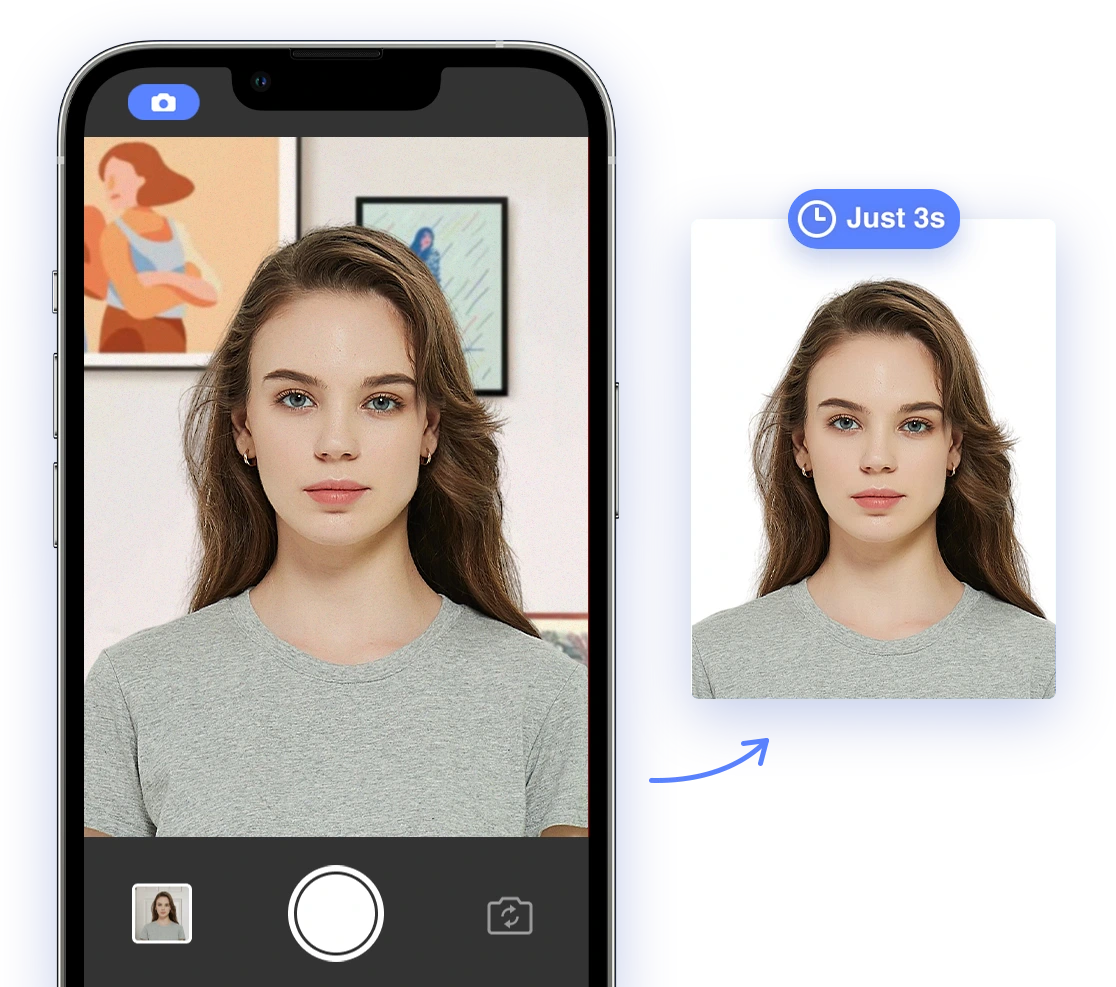
Understanding the Top Reasons for Passport Photo Rejection
Passport photo rejections are more common than you might think. Familiarizing yourself with the typical pitfalls can significantly increase your chances of approval. Here's a breakdown of the most frequent errors:- Incorrect Dimensions: One of the most common reasons for rejection is failing to adhere to the specified size requirements. For US passports, the photo must be 2x2 inches (51x51 mm). Other countries may have different requirements. Always double-check the specific guidelines for your application.
- Background Issues: Most countries require a plain white or off-white background. Patterns, shadows, or colored backgrounds are usually unacceptable. Ensure your background is clean and uniform.
- Dress Code Violations: What you wear in your passport photo matters. Avoid wearing uniforms, clothing that blends in with the background, or anything that obscures your face. Religious head coverings are generally permitted, but they must not hide your facial features. See our complete guide on Passport Photo Dress Code: A Complete Guide for All Genders [2024-2025].
- Lighting Problems: Poor lighting can lead to shadows, glare, or uneven skin tones, all of which can cause rejection. Ensure the lighting is uniform and illuminates your face evenly. Avoid harsh shadows or overexposure.
- Eyeglasses and Accessories: As a general rule, eyeglasses are no longer allowed in US passport photos unless you have a medical reason (and provide a signed statement from your medical practitioner). Other accessories like hats or headbands are also typically prohibited unless worn daily for religious or medical reasons.
- Posing and Expression: Passport photos require a neutral expression with both eyes open and a direct gaze at the camera. Smiling too broadly, squinting, or tilting your head can all lead to rejection. Ensure your face is fully visible.
- Photo Quality: Blurry, pixelated, or damaged photos are almost always rejected. Use a high-resolution camera or smartphone and ensure the image is clear and sharp. If printing, use high-quality photo paper.
Decoding US vs. Global Standards
While many core requirements are universal, nuances exist across different regions. Understanding these differences is crucial for global compliance.- United States: US passport photos must be 2x2 inches with a white or off-white background. Eyeglasses are generally prohibited. The applicant must have a neutral expression, and the photo should be recent.
- European Union: Schengen visa photos typically require a size of 35x45 mm with a light-colored background. Specific countries may have additional requirements regarding head size and positioning. It's crucial to check the specific requirements of the EU member state to which you are applying. For more information, consult the official Schengen Visa Info website.
- United Kingdom: UK passport photos require a light grey or cream background. The face must be clearly visible, and there should be no shadows. The size requirements are similar to the EU standards. For detailed information, refer to the official UK government website.
- India: Indian passport photos require a white background and specific dimensions. Head coverings are generally allowed for religious reasons, but the face must be clearly visible.
DIY Tips and Tricks for Compliant Photos
Taking passport photos at home can be convenient and cost-effective if done right. Here’s a step-by-step guide:- Set Up Your Environment: Choose a location with ample natural light and a plain white or off-white background. A blank wall or a white sheet can work well.
- Lighting: Ensure the lighting is even and illuminates your face without harsh shadows. Avoid direct sunlight, which can cause glare. Use lamps or softboxes to diffuse the light.
- Camera Setup: Use a high-resolution camera or smartphone. Position the camera at eye level and maintain a distance of about 4-6 feet.
- Posing: Stand or sit straight, facing the camera directly. Maintain a neutral expression, keep your eyes open, and avoid tilting your head.
- Dress Code: Wear clothing that contrasts with the background. Avoid white or light-colored tops. Ensure your clothing is neat and does not obscure your face.
- Accessories: Remove eyeglasses, hats, and other accessories unless required for medical or religious reasons. If wearing a religious head covering, ensure it does not hide your facial features.
- Taking the Photo: Take multiple shots to ensure you have a few good options. Check for clarity, lighting, and compliance with requirements.
- Editing Tools: Use photo editing software or AI-powered tools to crop and resize the image to the correct dimensions. Adjust brightness and contrast if needed, but avoid excessive retouching.
A Comprehensive Dress Code Guide
The dress code for passport photos is more critical than many realize. Here’s a detailed breakdown of what to wear and what to avoid:- Acceptable Attire:
- Everyday clothing that contrasts with the background.
- Religious head coverings (if worn daily), provided they do not obscure the face.
- Unacceptable Attire:
- Uniforms or clothing that resembles a uniform.
- Clothing that blends in with the background.
- Hats, headbands, or other accessories that are not for religious or medical purposes.
- Accessories:
- Jewelry should be minimal and not obstruct any facial features.
- Eyeglasses are generally prohibited unless medically necessary.
- Hairstyles:
- Hair should not cover the face, especially the eyes.
- Bangs should be styled so they do not obscure the eyebrows.
- Makeup:
- Makeup should be natural and not alter your appearance significantly.
- Avoid heavy contouring or dramatic makeup styles.
Harnessing the Power of AI-Powered Tools
AI passport photo tools have revolutionized the way we approach passport photo compliance. These tools use advanced algorithms to analyze your photo and ensure it meets all official requirements.- Automated Compliance Checks: AI tools can automatically check dimensions, background, lighting, and facial features, providing instant feedback on any issues.
- Background Removal: Many AI tools can automatically remove and replace backgrounds, ensuring they meet the required specifications.
- Retouching: AI can subtly retouch photos to improve clarity and reduce blemishes without altering your appearance.
- Cost-Effectiveness: Using AI tools can be more affordable than professional photo services, especially if you need multiple attempts.
Dealing with Unique Situations
Navigating passport photo requirements can be particularly challenging in certain situations:- Infants and Children:
- Lay the baby on a white sheet or use a car seat covered with a white cloth.
- Ensure there are no shadows on the baby's face.
- The child's eyes must be open. Enlist the help of another person to hold a toy or make sounds to capture the baby's attention.
- Individuals with Disabilities:
- Accommodations can be made for individuals with physical disabilities. If necessary, another person can be in the photo to provide support, but they must not be visible.
- Medical devices are allowed if they cannot be removed. Provide a signed statement from your medical practitioner.
- Medical Conditions:
- If you wear a head covering for medical reasons, provide a signed statement from your doctor.
- Ensure that the head covering does not obscure your facial features.
Troubleshooting Common Issues
Even with careful preparation, you may encounter technical issues. Here are some common problems and their solutions:- Photo Upload Issues:
- Ensure the file format is correct (JPEG or PNG).
- Check the file size and reduce it if necessary.
- Resolution Problems:
- Use a high-resolution camera or smartphone.
- Adjust the camera settings to capture more detail.
- Facial Recognition Failures:
- Ensure your face is fully visible and not obscured by hair or accessories.
- Adjust the lighting to eliminate shadows and glare.
- Website Errors:
- Try using a different browser or device.
- Clear your browser cache and cookies.
- Contact the website support team for assistance.
The Future of Passport Photos
Biometric technology is rapidly evolving and will likely have a significant impact on future photo ID requirements. Facial recognition systems are becoming more sophisticated, requiring even greater accuracy and compliance.- Enhanced Security: Future passport photos may include additional biometric data points to improve security and prevent fraud.
- Digital Integration: Digital passports and IDs may become more common, allowing for seamless integration with travel and security systems.
- AI-Driven Compliance: AI will play an even greater role in ensuring photo compliance, with advanced tools that can automatically adjust and optimize images.
Disclaimer: Always consult official government sources for the most current and accurate guidelines. This article serves as an informative resource and should not be considered legal advice.