
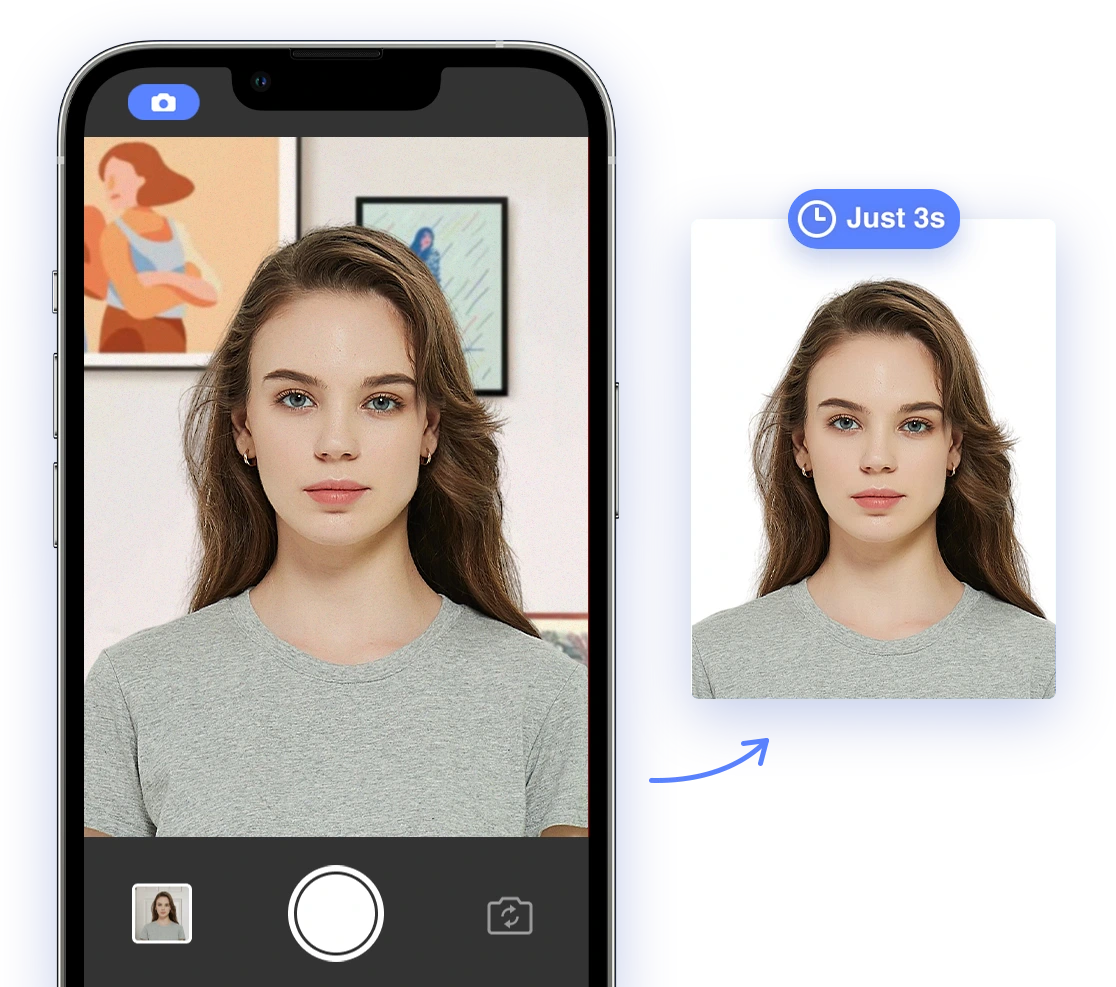
Applying for a passport, visa, driver's license, or any official identification can be stressful. One common concern is whether or not you can wear jewelry in your photo. Regulations surrounding jewelry in ID photos can be confusing, differing across countries and even within the same country, depending on the specific document. This comprehensive guide provides clear and up-to-date information on navigating these rules, ensuring you present yourself appropriately and avoid costly rejections.
US Regulations: Navigating Jewelry Guidelines
The US Department of State has specific guidelines regarding what is acceptable in a passport photo. Understanding these guidelines is the first step to ensuring your photo meets the requirements. Let's delve into the details.General Guidelines
Generally, the US State Department aims to ensure the applicant's face is clearly visible and identifiable. Jewelry should not obstruct the face, create shadows, or cause reflections that obscure facial features. The primary goal is unobstructed facial recognition.
Acceptable Jewelry
Certain types of jewelry are typically acceptable, provided they adhere to the general guidelines. Here are a few examples:
- Small Earrings: Small, simple earrings are generally acceptable, provided they do not cover or distract from facial features. Stud earrings or small hoops are usually safe choices.
- Understated Necklaces: Thin, understated necklaces are usually permitted if they lie flat against the skin and are not distracting. Avoid bulky or layered necklaces.
Unacceptable Jewelry
Other types of jewelry are generally prohibited due to their potential to obscure facial features or create compliance issues:
- Large or Distracting Pieces: Large earrings, chunky necklaces, or any jewelry that draws excessive attention are typically prohibited. The focus should remain on your face, not your accessories.
- Items Causing Shadows or Reflections: Jewelry that reflects light or casts shadows on the face can obscure features and lead to rejection. Matte finishes are preferable to highly reflective surfaces.
- Facial Obstructions: Nose rings, lip rings, or any jewelry that covers or distorts facial features are not allowed. The entire face must be clearly visible.
Global Standards: A World Tour of Jewelry Regulations
While the US has relatively straightforward guidelines, other countries may have varying regulations. Before taking your photo, research the specific requirements of the country or institution issuing the ID. Rules can change, so it's vital to consult official sources.
Examples of Varying Regulations
- Stricter Countries: Some countries may be stricter, prohibiting all visible jewelry except for permanently worn items like wedding rings.
- Culturally Specific Items: Others may allow specific types of religious or cultural jewelry that are traditionally worn and not easily removed. Documentation might be required to explain the item's significance.
- Always Verify: Always check the official guidelines of the issuing authority to confirm. Don't rely on anecdotal evidence or outdated information.
It's also important to consider the reasons behind varying passport photo requirements across countries, as these can be influenced by security concerns and cultural norms.
Religious & Medical Considerations: Respecting Beliefs and Needs
In some cases, individuals may wear jewelry for religious or medical reasons. Understanding how these situations are handled is crucial for compliance and demonstrating respect.
Religious Jewelry
If you wear a religious item daily as part of your established religious practice, it may be acceptable in your photo, provided it doesn't obscure your face. A signed statement explaining the item's significance and its continuous wear may be required. Keep the jewelry as minimal as possible.
Medical Alert Jewelry
Medical alert bracelets or necklaces are generally allowed. Like religious items, they should be thin and not obstruct your face. Be prepared to explain the purpose of the jewelry if asked and, if possible, provide documentation from a medical professional.
DIY Tips: Mastering Compliant Photos at Home
Taking your passport photo at home can save time and money. Here are some tips for ensuring compliance when wearing jewelry, turning your home into a compliant photo studio:
- Lighting: Use soft, natural light to minimize shadows and reflections. Avoid direct sunlight, which can create harsh shadows. A cloudy day or a shaded area is ideal.
- Posing: Face the camera directly and ensure your jewelry is not tilted or angled in a way that obscures your face. Maintain a neutral expression and avoid any extreme angles.
- Placement: Position jewelry so that it is visible but not distracting. Ensure it sits naturally and doesn't cover any facial features.
- Test Shots: Take multiple photos to see how the jewelry appears under different lighting conditions. Experiment with different angles and positions to find the most compliant option.
Read more about how to take passport photos at home.
AI-Powered Solutions: Ensuring Compliance with AI Passport Photo
AI-powered tools can greatly simplify the process of ensuring your photo meets all requirements, including those related to jewelry. These tools offer convenience and accuracy, minimizing the risk of rejection.
How AI Passport Photo Can Help
- Automatic Assessment: AI algorithms can automatically analyze your photo and flag any jewelry that may cause compliance issues, such as reflections, shadows, or obstructions.
- Real-Time Feedback: Receive instant feedback on lighting, posing, and jewelry placement, allowing you to make adjustments in real-time.
- Guidance & Suggestions: Get specific recommendations for improving your photo to meet official standards, tailored to the specific type of jewelry you're wearing.
By using AI-powered tools like AI Passport Photo, you can confidently take a compliant photo at home, saving time and money while minimizing the risk of rejection. Take the guesswork out of compliance! More information on AI passport photo is available on our website.
Troubleshooting: Overcoming Common Jewelry-Related Issues
Even with careful planning, issues can arise. Here are some common problems related to jewelry in photo IDs and how to address them, ensuring a smooth application process:
Reflections or Shadows
Adjust the lighting and your jewelry's position to minimize reflections or shadows. Try tilting your head slightly or moving closer to a light source. If necessary, remove the jewelry.
Facial Obstruction
Ensure the jewelry does not cover any part of your face, including your eyebrows, eyes, nose, or mouth. If it does, choose a smaller piece or remove it entirely.
Concerns about Religious or Medical Jewelry
Include a signed statement explaining the item's significance. This can help clarify the need for the jewelry and prevent misunderstandings. Also, consider having a medical professional or religious leader sign the statement to add credibility.
Real-World Examples: Learning from Successes and Failures
Reviewing examples of photos that were either accepted or rejected due to jewelry can provide valuable insights. Observing real-world scenarios can better prepare you for your photo session.
Accepted Photos
Typically feature small, understated jewelry that does not distract from the face or cause any compliance issues. The lighting is even, and there are no shadows or reflections. The focus is clearly on the applicant's face.
Rejected Photos
Often include large, reflective, or face-obscuring jewelry. The lighting may be poor, resulting in shadows or glare. The jewelry may distract from the applicant's facial features.
Expert Advice: Insights from Professionals
- "When in doubt, keep it simple. Understated jewelry is always a safer choice for passport photos."- Jane Doe, Passport Acceptance Agent
- "Ensure your jewelry doesn't create any shadows or reflections on your face; this is a common reason for rejection."- John Smith, Professional Photographer
Consulting with professionals, such as passport acceptance agents or photography experts, can offer additional guidance and ensure your photo meets all requirements. Their expertise can provide valuable assurance.
Conclusion: Achieving Photo ID Confidence
Navigating the regulations surrounding jewelry in photo IDs doesn't have to be stressful. By understanding the guidelines, taking a thoughtful approach to jewelry selection and placement, and utilizing available resources such as AI-powered tools, you can confidently prepare for your next application. A little research and preparation can ensure your photo meets all requirements and helps avoid costly rejections.
Ready to take a compliant passport photo? Try our AI Passport Photo tool today!