
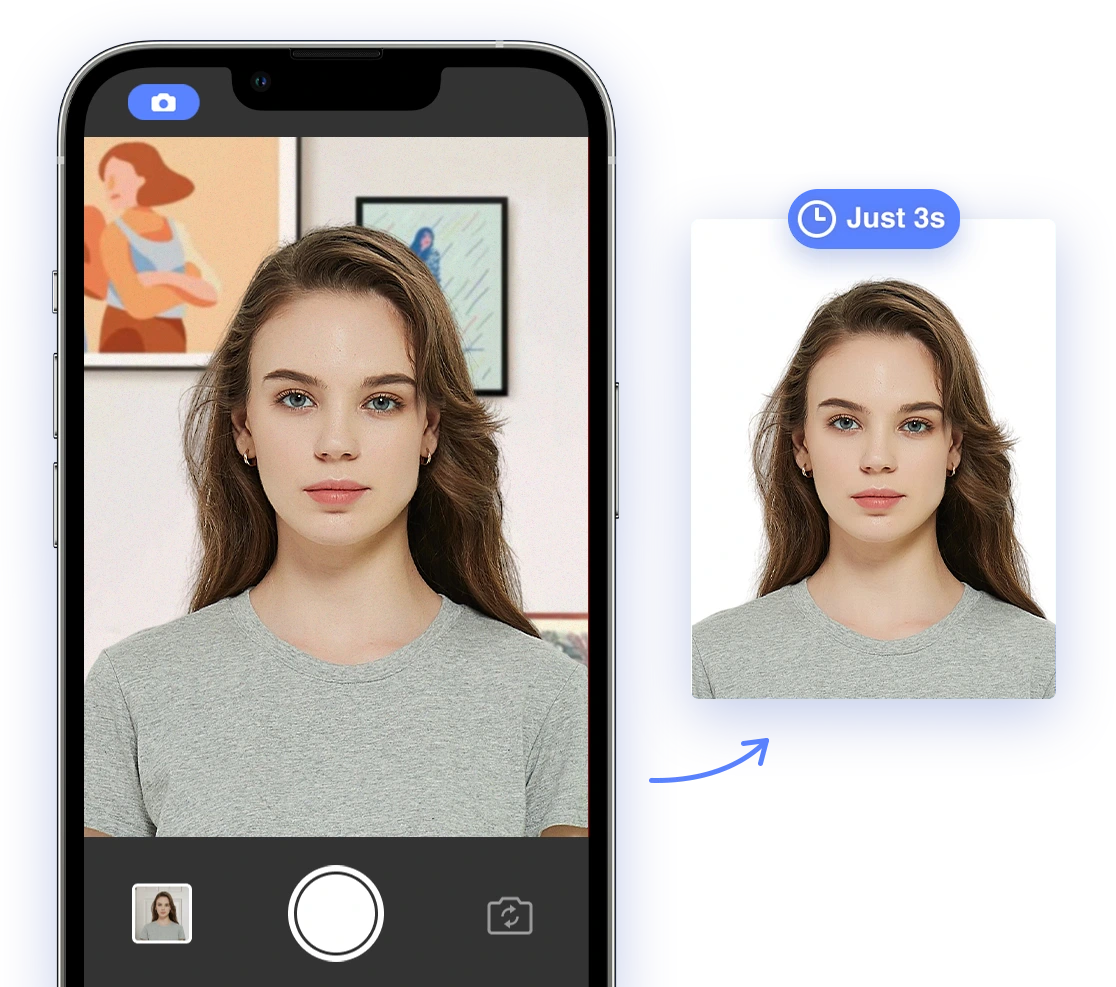
Applying for a US passport or visa involves numerous steps, and one crucial aspect is the passport photo. Ensuring your photo meets all requirements set by the US Department of State can be challenging, particularly when medical devices are involved. This comprehensive guide provides clear, up-to-date information on the regulations, acceptable devices, and practical tips to ensure your photo complies with all official guidelines for 2024-2025, minimizing the risk of rejection. Let's navigate these requirements together.
Understanding the Official US Department of State Guidelines
The US Department of State has specific guidelines regarding what is acceptable in a passport photo. While the guidelines do not explicitly forbid medical devices, they emphasize that the photo must clearly depict your face, and no item should obscure it. The key is ensuring your medical device does not hide or distort your facial features. Understanding these foundational rules will help you approach the process with confidence.
General Requirements
- Clarity and Visibility: The photo must be clear, in focus, and free of shadows or glare. Sharpness and proper exposure are critical for accurate representation. See our guide on how to get the best passport photo.
- Facial Features: Your full face must be visible. Hair, hats, or other accessories should not obscure your face unless worn daily for religious reasons (and even then, specific guidelines apply). The forehead, eyes, nose, mouth, and chin must be clearly visible. For more on hairstyles, see our guide: hair on passport photos in the United States.
- Neutral Expression: Maintain a neutral expression with both eyes open. Smiling widely or frowning can cause issues with facial recognition software. A relaxed, natural expression is best.
Acceptable and Unacceptable Medical Devices
Understanding what types of medical devices are typically acceptable can help ease concerns and guide your photo preparation. Remember, the overall goal is a clear, unobstructed view of your face.
Hearing Aids
Hearing aids are generally acceptable in passport photos, provided they do not significantly obscure your face. Position them so that they are clearly visible but do not cast shadows or distort your facial features. If possible, choose hearing aids that are discreet and blend well with your skin tone. Consider taking multiple photos with slight adjustments to find the best angle.
Oxygen Tubes or Masks
While it's preferable to take the photo without an oxygen mask, the Department of State understands this isn't always possible. Oxygen tubes are generally permissible if they do not obscure facial features. If you must wear an oxygen mask, ensure as much of your face is visible as possible. A letter from your doctor might be beneficial to include with your application, explaining the medical necessity. This proactive step can help prevent delays or rejection.
Mobility Aids: Wheelchairs, Walkers, and Canes
Mobility aids like wheelchairs, walkers, and canes should not appear in the photo itself. If using a wheelchair, ensure only your upper body and face are visible against the plain backdrop. If using a cane, try to position yourself so it's out of the shot, or at least doesn't obscure your face. Focus on a clean shot that meets the core requirements.
Implanted or External Medical Devices
Many implanted medical devices, such as insulin pumps or pacemakers, won't be visible and, therefore, won't affect the photo. For external devices like neck braces, communicate with the passport agency beforehand to understand their specific requirements. Again, a letter from your doctor can help explain the necessity. Providing documentation can smooth the process.
Minimizing the Visibility of Medical Devices
The goal is to minimize device visibility while still complying with regulations. Here are some tips:
- Positioning: Adjust the device's position to ensure it doesn't cast shadows or obscure your face. Minor adjustments can make a big difference.
- Color: Opt for devices with neutral colors that blend with your skin tone. This helps the device recede into the background.
- Size: If possible, use smaller, more discreet versions of the device. Less bulky devices are less likely to cause issues.
Ensuring the Device Doesn't Obscure the Face or Create Shadows
- Lighting: Use even, diffused lighting to minimize shadows. Avoid harsh direct light, which can create unwanted shadows and glare. Soft, indirect lighting is ideal. See also: How to Get the Best Passport Photos.
- Angle: Experiment with different angles to find the best way to showcase your face without device obstruction. Slight tilts of the head or adjustments to the camera angle can help.
- Assistance: Enlist help from a friend, family member, or professional photographer to ensure proper positioning and lighting. A second set of eyes can identify potential issues. For passport photo advice for men, review: Passport Photo Advice for Men: Tips to Look Your Best
Obtaining Waivers or Exceptions for Medical Reasons
In rare cases, strict compliance may be impossible due to medical reasons. In such instances, include a signed statement from your physician explaining why you cannot meet the standard requirements. The passport agency will review these on a case-by-case basis. This documentation is crucial for your application's success.
Addressing Concerns About Facial Recognition Software
Passport photos are now subject to facial recognition technology. Ensure your medical device doesn't distort your key facial features to a degree that it compromises the accuracy of facial recognition scans. Again, prioritizing clear visibility and minimal obstruction is key. A clear, unobstructed photo is more likely to be accepted.
Taking Compliant Photos at Home
Taking passport photos at home can be convenient. Keep these tips in mind:
- Background: Use a plain white or off-white background. Avoid patterns or textures. See our guide: Decoding the US Passport Photo Background: Colors, Requirements & AI Solutions [2024-2025]
- Lighting: Ensure even lighting. Natural light is best, but avoid direct sunlight. Use a reflector or diffuser if needed.
- Distance: Position the camera at the correct distance to capture your head and shoulders without distortion. Too close or too far can distort facial features.
- AI Tools: Use AI Passport Photo to check that your photo meets all official requirements. This tool can greatly improve your chances of approval.
Recommendations for Professional Photo Services
If you're uncertain about taking the photo yourself, professional photo services experienced with medical device considerations are invaluable. Communicate your needs clearly, and ensure they are familiar with passport photo requirements. Look for photographers who specialize in ID photos.
Frequently Asked Questions (FAQ)
Q: Can I wear my hearing aids in my passport photo?
A: Yes, hearing aids are generally acceptable as long as they don't obscure your facial features.
Q: What if I can't remove my oxygen mask for the photo?
A: Include a signed statement from your doctor explaining why you need to wear the mask. This documentation is crucial.
Q: Can my wheelchair be visible in the photo?
A: No, mobility aids should not appear in the photo. Ensure only your upper body is visible.
How AI-Powered Tools Can Help
AI Passport Photo can significantly assist in ensuring compliance:
- Automated Checks: AI analyzes your photo, checking for size, background, lighting, and facial feature visibility. The tool provides instant feedback.
- Feedback and Adjustments: Receive instant feedback on what needs adjustment. Make corrections in real-time.
- Compliance Guarantee: AI ensures your photo meets all official requirements, reducing the risk of rejection. Increase your odds of a successful application.
Resources for Individuals with Disabilities
The US Department of State offers resources and accommodations for individuals with disabilities. Contact the National Passport Information Center for specific guidance. These resources can be invaluable.
Preparing for Your Passport Photo Appointment
- Communicate: Inform the photographer about your medical device and any specific needs. Clear communication is key.
- Documentation: Bring a doctor's statement if applicable. This can provide additional support for your application.
- Review: Double-check the photo against the official requirements before submission. Ensure everything meets the standards.
By understanding the regulations and following these practical tips, you can ensure your passport photo complies with all requirements, even with medical devices, making your application process smooth and stress-free. Consider using AI Passport Photo to further simplify and guarantee compliance. Start your application process with confidence and ease.